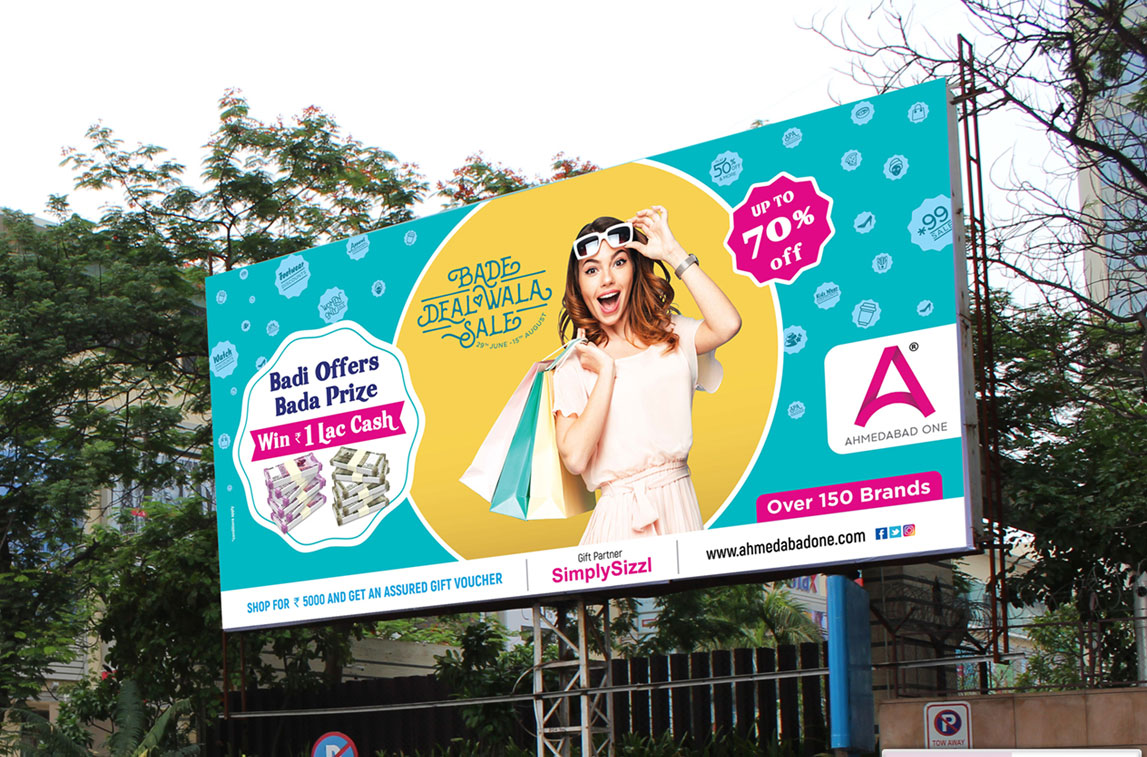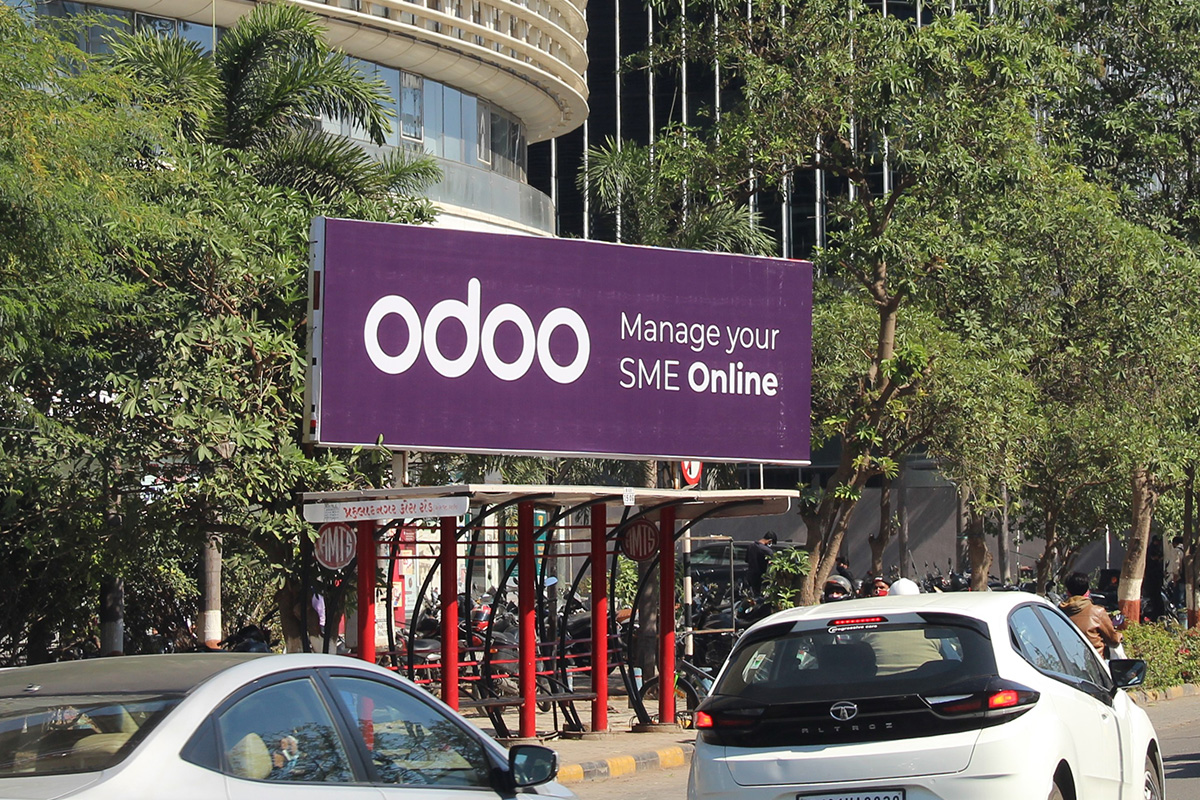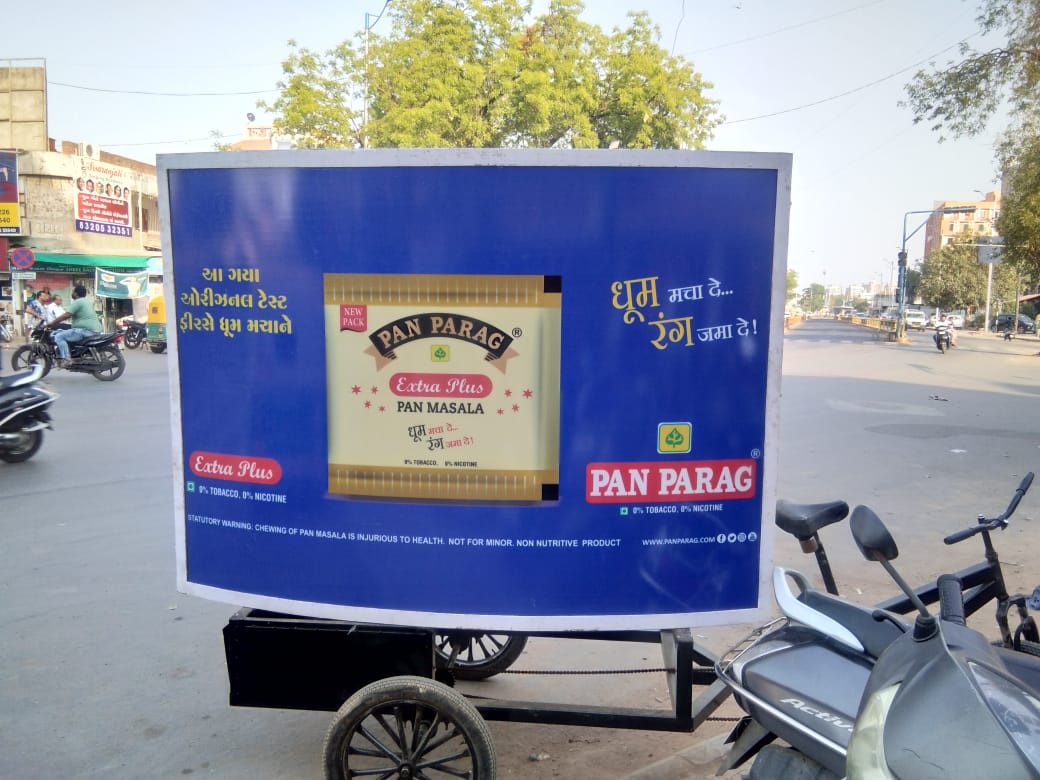
In today’s marketing landscape, businesses cannot rely on a single channel to reach and engage their audience effectively. While outdoor advertising like billboards, flex banners, hoardings, and vehicle graphics captures attention in the physical world, social media marketing amplifies reach and engagement in the digital space. Integrating these two strategies allows brands to create a cohesive campaign that engages audiences across multiple touchpoints, increasing visibility, recall, and conversions.
Why Combine Outdoor Advertising and Social Media Marketing?
Outdoor advertising and social media marketing complement each other perfectly:
- Amplified Reach: Outdoor ads attract local attention, while social media allows your message to go global or reach a wider regional audience.
- Cross-Channel Engagement: A passerby who notices your billboard may later engage with your brand online through social media, scanning QR codes, or visiting your pages.
- Enhanced Brand Recall: Repetition across both physical and digital channels strengthens brand memory, making consumers more likely to act when they need your product or service.
- Trackable Results: Social media integration allows marketers to measure engagement, clicks, or conversions generated from outdoor campaigns.
How to Integrate Social Media with Outdoor Advertising
1. Include Social Handles and QR Codes
One of the simplest ways to connect outdoor ads with digital engagement is to include your social media handles and QR codes directly on the banner, hoarding, or vehicle graphics.
- Example: A café promoting a new menu can display a QR code on a roadside banner, leading passersby directly to Instagram or Facebook for exclusive offers or online ordering.
QR codes make it easy for potential customers to take immediate action, bridging the offline-to-online gap.
2. Create Hashtag Campaigns
Encourage audience participation by incorporating a branded hashtag in your outdoor ads.
- Example: A fashion brand launching a new collection may use a billboard stating, “Show us your style! #CityFashionTrend,” prompting people to post their outfits online.
This strategy generates user-generated content (UGC), boosting organic reach and engagement on social media.
3. Promote Contests and Offers
Outdoor ads can serve as a teaser to drive traffic to online contests, discounts, or giveaways.
- Example: A retail store can display a banner stating, “Scan the QR or visit our Instagram to win a 50% off voucher today!”
Such campaigns incentivize interaction and encourage people to follow your brand online.
4. Use Geo-Targeting for Local Campaigns
Outdoor ads are location-specific, targeting foot traffic or local communities. By integrating social media campaigns that use geo-targeting, you can reinforce your messaging to the same audience online.
- Example: A local gym may place flex banners around residential areas while running Facebook or Instagram ads targeting the same zip codes for free trial offers.
This dual approach ensures your message reaches the right audience both offline and online.
5. Incorporate Visual Consistency
Maintain consistent branding, colors, and visuals between your outdoor and social media campaigns.
- Example: A mobile phone retailer running a hoarding for a new launch can use the same banner visuals and hashtags across Instagram and Facebook posts, creating a seamless brand experience.
Consistency helps audiences recognize your brand quickly, whether they see it on the street or on a screen.
Benefits of Integrating Social Media and Outdoor Advertising
- Wider Audience Reach: Outdoor ads grab the attention of locals, while social media extends your message to friends, family, and followers online.
- Increased Engagement: Outdoor ads pique curiosity; social media provides a platform for interaction through likes, comments, shares, and UGC.
- Improved Campaign ROI: By measuring online interactions from outdoor campaigns, marketers can track effectiveness and optimize future campaigns.
- Enhanced Customer Experience: Integration allows consumers to engage with your brand conveniently, either by visiting your website, following your social media, or availing offers.
- Higher Conversion Rates: Exposure on multiple channels increases the chances of converting interest into sales or leads.
Examples of Successful Integration
- Coca-Cola India: Often combines vibrant outdoor posters and billboards with social media hashtags encouraging user-generated content. People see a billboard and then share photos of themselves enjoying Coke on Instagram using the campaign hashtag.
- Zomato and Swiggy Promotions: These food delivery apps place flex banners near residential and office areas while running simultaneous social media campaigns featuring special discounts, QR codes, and referral links.
- Local Fashion Brands: Small boutiques in Mumbai and Delhi use vehicle wraps and roadside hoardings to promote new collections, directing viewers to their Instagram for styling tips, behind-the-scenes content, or online shopping links.
These campaigns illustrate how offline visibility can drive digital engagement effectively.
Strategies to Maximize Impact
- Plan Coordinated Campaigns: Schedule outdoor and social media campaigns to launch simultaneously for maximum visibility.
- Leverage Analytics: Track clicks, QR scans, and social media interactions to evaluate which locations or visuals drive the most engagement.
- Test and Iterate: Use A/B testing for ad designs and messaging on social media, applying insights to future outdoor campaigns.
- Engage Influencers: Partner with local influencers to amplify the campaign digitally, connecting street-level visibility to online audiences.
- Encourage Sharing: Make it easy for people to share their experience from the outdoor campaign on social media, e.g., selfies in front of your hoarding or vehicle.
Conclusion
Integrating social media marketing with outdoor advertising allows brands to create a powerful, multi-channel presence. While outdoor ads grab attention in the physical world, social media engagement ensures that the interaction continues digitally, extending reach, boosting brand recall, and driving measurable results.